
Welcome to SCRCOG
The South Central Regional Council of GovernmentsBethany • Branford • East Haven • Guilford
Hamden • Madison • Meriden • Milford • New Haven
North Branford • North Haven • Orange • Wallingford West Haven • Woodbridge

Welcome to SCRCOG
The South Central Regional Council of Governments
Bethany • Branford • East Haven • Guilford • Hamden • Madison • Meriden • Milford • New Haven • North Branford • North Haven • Orange • Wallingford • West Haven • Woodbridge
The South Central Regional Council of Governments (SCRCOG) fosters communication and collaboration among the fifteen municipalities in the South Central Region of Connecticut. As one of nine Councils of Governments (COGs) and a federally designated Metropolitan Planning Organization (MPO), SCRCOG coordinates regional transportation planning, regional land use and environmental planning, and municipal services programs.
Our responsibilities
What we do


Transportation & Transit
Comprehensive multi-modal transportation planning and programs for the region
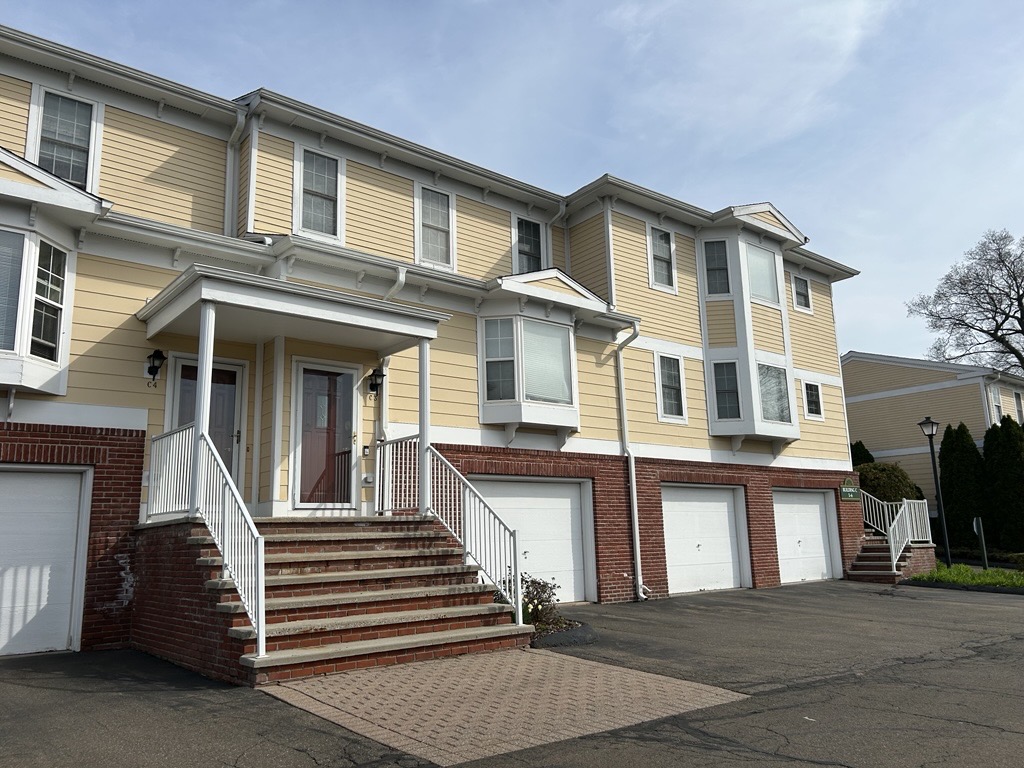

Housing
Municipal housing planning and policy technical assistance


Land Use
Coordination of Plans of Conservation and Development and Regional Planning
Commission


Emergency Preparedness
Regional coordination of emergency management and planning as part of DEMHS Region 2


Environment & Sustainability
Climate Action Plans, Hazard Mitigation, and additional Sustainability Programs


Municipal Services
On-call services and regional collaboration for municipal operation efficiency and cost
savings


Regional GIS Program
Mapping resources and comprehensive data support for the region
Stay in the loop
Announcements
Careers
There are no open career opportunities at this time.
RFPs & RFQs
There are no open Request for Proposals or Requests for Qualifications at this time.
LEARN MORE
Regional Information Hub
Check out the new and improved hub of our region’s plans, data, maps, and other resources.


